Tokusatsu series, particularly Kamen Rider, Super Sentai and Ultraman, have long functioned as more than children’s entertainment in Japan. For decades they have served as a practical training ground and a high visibility platform that has propelled tokusatsu actors into mainstream success.
The combination of rigorous physical demands, sustained screen time and cultural reach creates conditions that accelerate careers in ways few other formats can match. Look at the casts of Japan’s biggest films and primetime dramas today and a striking number of those faces first appeared in a suit.
Skill development under pressure
A typical year long tokusatsu production requires actors to perform action sequences, maintain consistent energy across dozens of episodes, handle complex costumes and transformations, and deliver performances that work for both young viewers and adults.
This builds stamina, physical awareness, timing and camera presence faster than many conventional drama roles. Tokusatsu actors frequently credit the intense schedule with improving their discipline and versatility, and those are skills that transfer directly to more demanding film and television work.
Wide and lasting visibility
These shows reach a broad demographic: children who grow up with the heroes, parents watching alongside them, and dedicated adult fans. A strong performance can create instant name recognition that outlasts the series itself.
Unlike short run dramas, the weekly format and merchandise ecosystem keep faces in the public eye for an extended period, giving agencies and casting directors a clear sample of an actor’s marketability and work ethic.
Iconic early figures
Hiroshi Fujioka’s turn as Takeshi Hongo in Kamen Rider in 1971 made him a national sensation and a cultural icon. It opened doors to major films including Submersion of Japan, NHK historical dramas, long running detective series, a Hollywood lead in Ghost Warrior, and iconic commercials such as the Segata Sanshiro campaign. He remains closely associated with the franchise decades later.

Tetsuo Kurata found instant recognition as the intense young hero of Kamen Rider Black and Black RX. The role remains his most defining and supported a long career in television and on stage.
Major modern breakthroughs in Kamen Rider
Takeru Satoh (Kamen Rider Den-O) is widely regarded as one of the biggest success stories. The role gave him nationwide exposure and on camera experience, and he later became a top leading man through the Rurouni Kenshin films and numerous high profile dramas and movies.
Hiro Mizushima (Kamen Rider Kabuto) was propelled by the charismatic lead role into popular dramas, establishing him as a leading man.
Joe Odagiri (Kamen Rider Kuuga) had an early Heisei era breakthrough that helped launch a more distinctive, critically respected career beyond purely commercial work.
Masaki Suda (Kamen Rider W) used his co-lead role as a profile boost and went on to become a major film and drama star known for versatile, acclaimed performances.
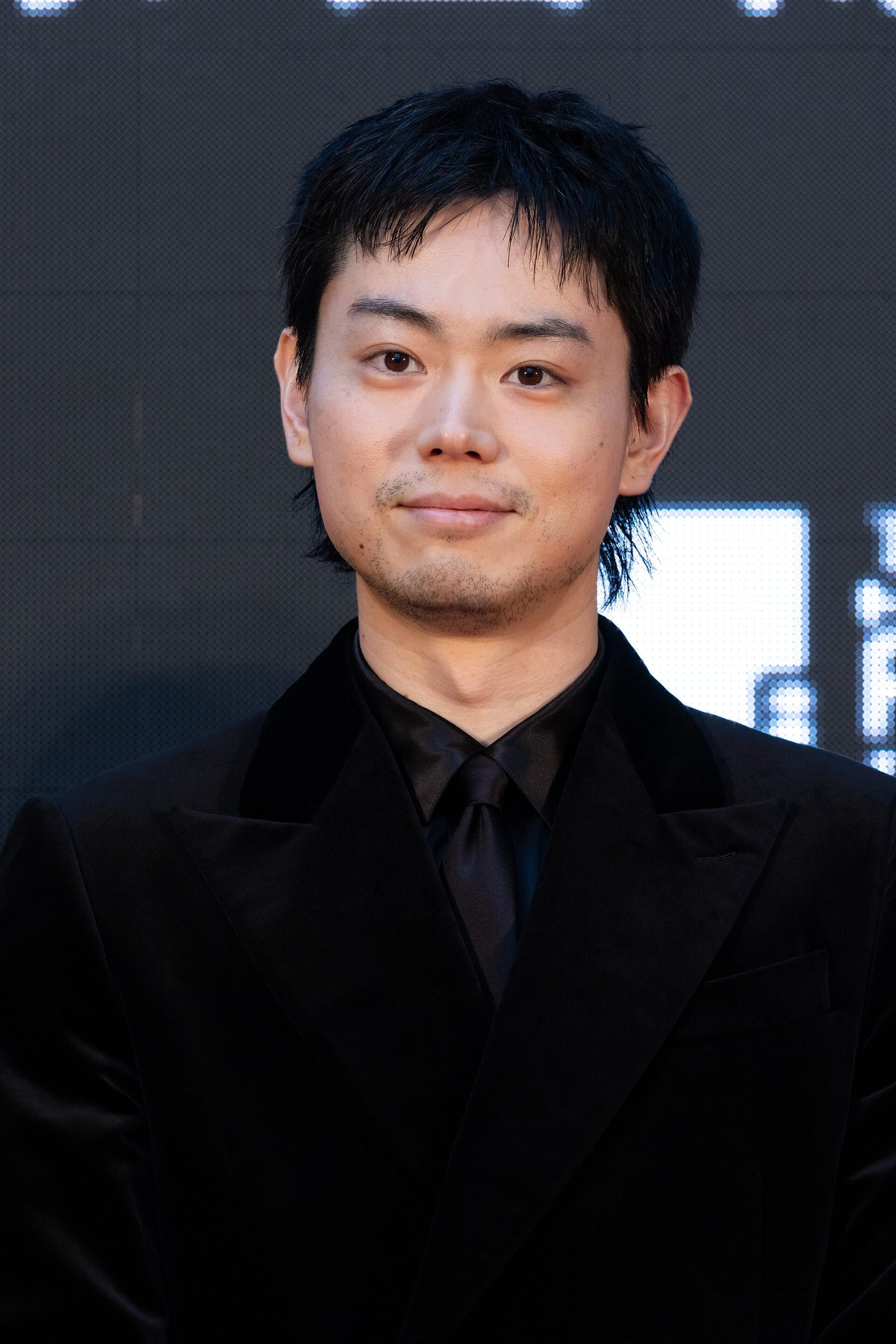
Sota Fukushi (Kamen Rider Fourze) gained strong popularity as a youthful hero and transitioned into consistent leading man work in dramas and films.
Ryo Yoshizawa played Meteor in the same series, a supporting sub-Rider role that showcased his presence and was followed by major roles in Kingdom, the live action Bleach and other high profile projects.
Ryoma Takeuchi (Kamen Rider Drive) followed his lead role with success in the NHK asadora Hiyokko and multiple primetime dramas.
Strong Super Sentai alumni
Tori Matsuzaka’s turn as Shinken Red in Samurai Sentai Shinkenger marked a decisive shift from modelling into serious acting. He later earned critical acclaim and awards for films and dramas, becoming one of the most respected actors to come from Sentai.
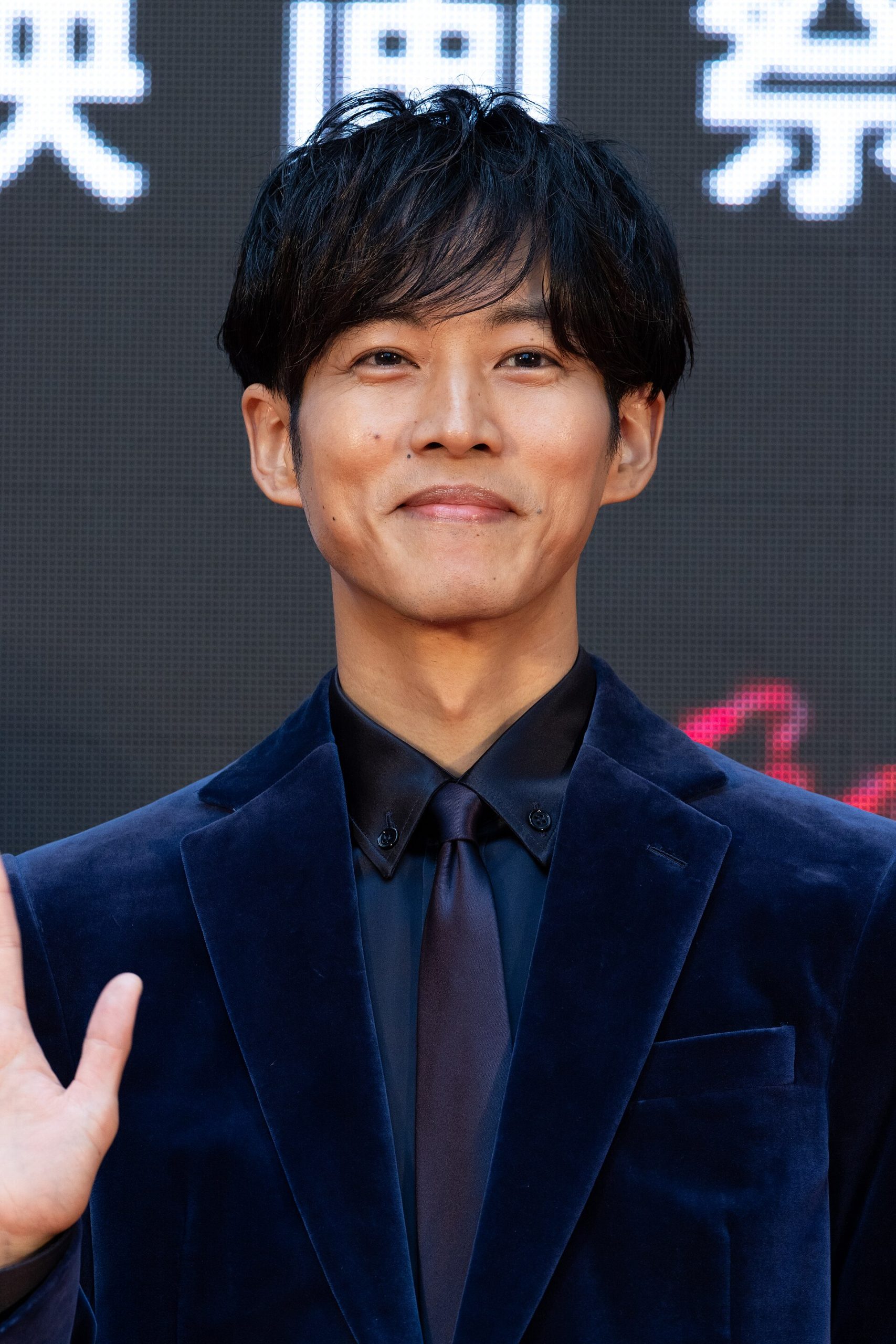
Yuki Yamada played the cool, reserved Gokai Blue in Kaizoku Sentai Gokaiger, a role that raised his profile ahead of prominent parts in Tokyo Revengers, Kingdom, an asadora and a wide range of films and dramas.
Ryusei Yokohama’s supporting role in Ressha Sentai ToQger contributed to his later rapid rise as a popular leading actor in romantic and dramatic series.
Yudai Chiba, Gosei Red in Tensou Sentai Goseiger, built a steady post-Sentai career with increased mainstream visibility.
Beyond the lead role
Actors from the Ultraman series, such as Tatsuomi Hamada as Ultraman Geed, along with various supporting and multi-franchise performers, have also used tokusatsu visibility to secure ongoing work in dramas, films, stage and voice roles.

Supporting and secondary roles have proven valuable in their own right. Sub-Riders and team members frequently gain enough recognition to secure subsequent work, which shows the benefit is not limited to the primary hero. Many newer actors continue to treat the three major tokusatsu franchises as valuable early training and exposure grounds.
Industry perception has shifted
Earlier generations sometimes viewed tokusatsu as niche or purely commercial. Over time, successful alumni changed that perception.
Agencies and producers increasingly regard these series as legitimate early career experience, especially for young actors seeking to prove reliability, physical capability and audience appeal. The three major tokusatsu franchises are now commonly described as gateways offering both training and exposure in a fiercely competitive industry.
Broader and lasting effects
Beyond individual stars, tokusatsu work creates networks among casts, directors and crew that lead to future collaborations. It also builds a personal brand tied to heroism, resilience and transformation, qualities that resonate in Japanese popular culture and support longevity.
Many former tokusatsu actors continue to appear in anniversary specials, films and related projects, maintaining a connection to the genre while expanding into other fields.
The finished argument
Tokusatsu has repeatedly demonstrated its value as a career accelerator. By combining demanding practical experience with broad public visibility, it has turned relatively unknown or mid-level performers into established actors and, in several cases, major stars.
The pattern continues across generations, confirming that these series remain an important and distinctive route within Japan’s entertainment industry. The suit is not a stepping stone away from serious acting. For a great many of Japan’s biggest names, it was the training.
Official sources
- Toei Company official site
- Kamen Rider official portal (Toei)
- Super Sentai official programme pages (Toei)
- Tsuburaya Productions official site
- Ultraman official portal (M-78, Tsuburaya Productions)
- NHK official site
- Toho Co., Ltd. official site
For the latest casting news and franchise announcements, follow Toei, Tsuburaya Productions and Toho through their official channels above, and follow @tokuasia.sg on Instagram for more tokusatsu history, analysis and news.
This article is written with assistance from Claude.